
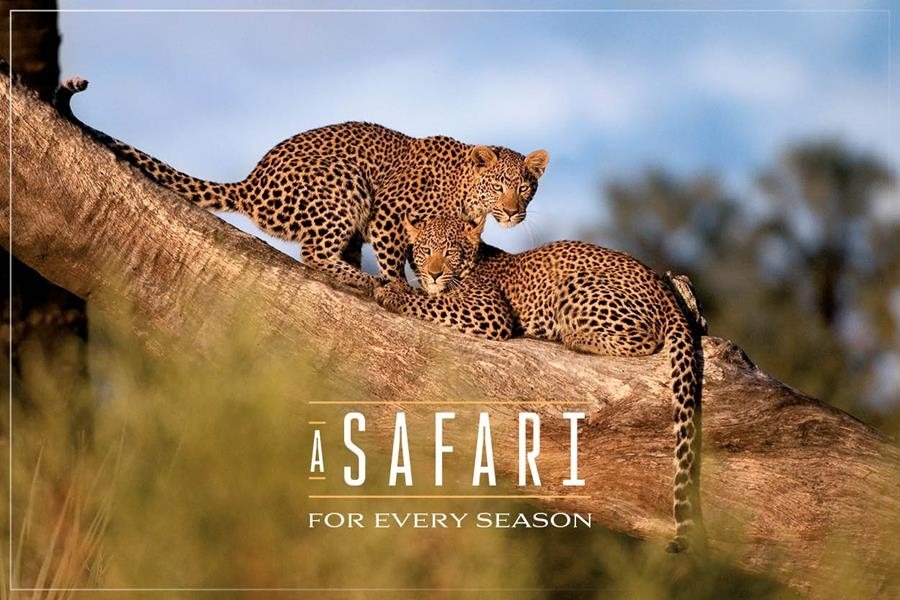
Without a doubt, a safari in southern Africa is an experience which stays with you forever. Blessed with extraordinary geographical diversity, each season offers something entirely unique, making southern Africa truly a year-round destination. Naturally, this leads to one of the most common questions: when is the best time to go on safari?
The truth is there’s no single answer. The ideal time depends entirely on the experience you’re seeking. Whether you’re dreaming of thrilling predator encounters in the Greater Kruger, quiet mornings in the Okavango Delta, or lush landscapes in the Eastern Cape, there’s a perfect safari season waiting for you.
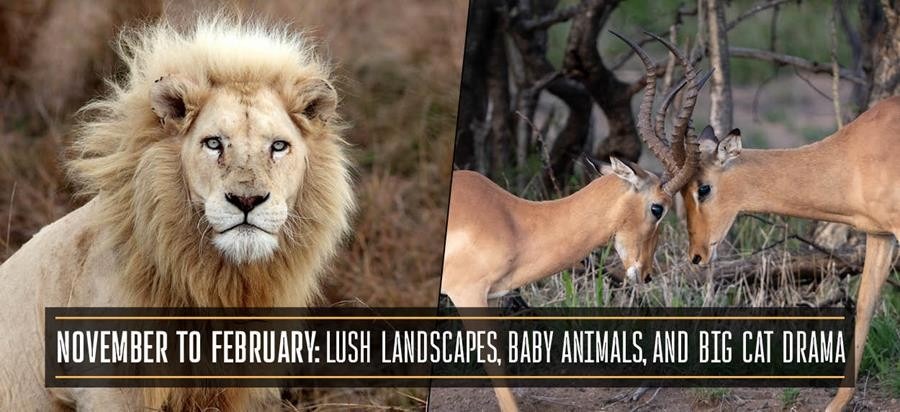
Marking the beginning of the wet season, the early rains of November and December bring welcome relief to the wildlife. As the dry bushveld transforms into lush greenery as well as thick vegetation, wildlife sightings can become more challenging, especially in vast, unfenced reserves. However, the renewed landscape bursts into life with migratory birds in their resplendent breeding plumage. While the arrival of the new year signals the height of calving season, and where there are newborns, predators are never far behind. With emerald-green scenery and quieter routes, a safari in this season can be a secluded, magical experience.
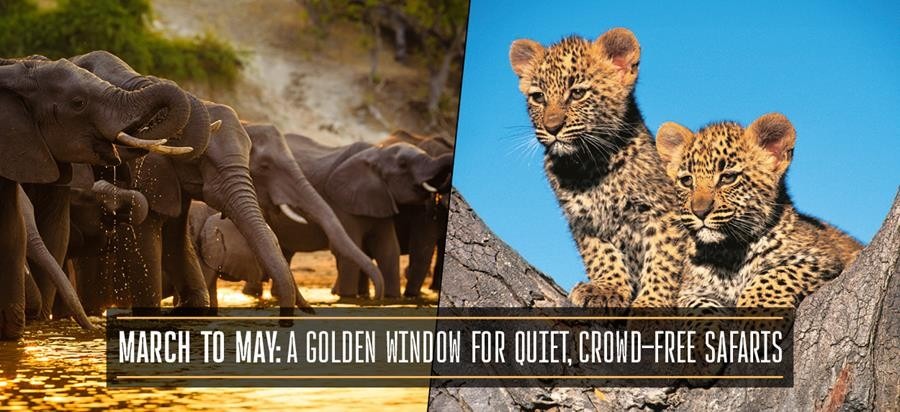
As the summer rains start to ease, the landscape remains green, though the vegetation starts to thin and water sources become less abundant. With the bush less dense, wildlife becomes easier to spot, especially as animals move across open plains and gather around rivers or waterholes. This transitional season also typically tends to be quieter, offering more attractive rates than later in the dry season. Considered a bit of a safari sweet spot, with more consistent wildlife sightings, quieter camps, and better values.
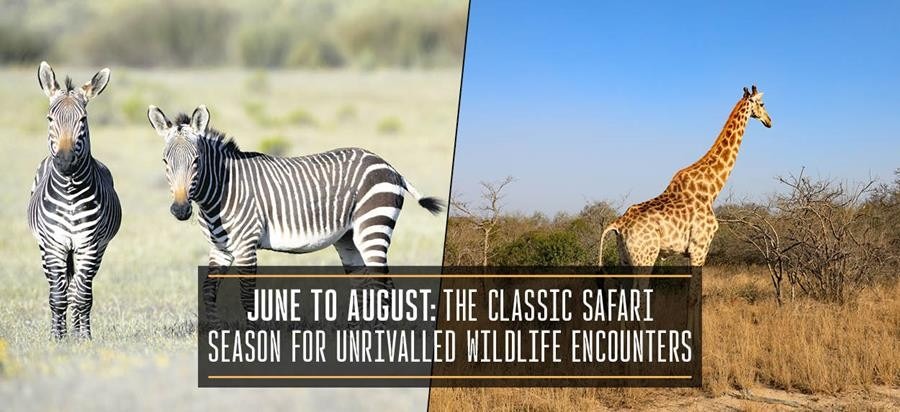
Now in the heart of the dry season, thinning vegetation and dwindling water sources draw wildlife towards rivers and waterholes, making exceptional game viewing more reliable. Heralding the peak safari season, reserves across the region showcase nature in its most iconic splendour, creating the perfect conditions for first-time safari-goers.
While ideal conditions deliver remarkable wildlife encounters, they also bring increased demand and peak-season pricing.
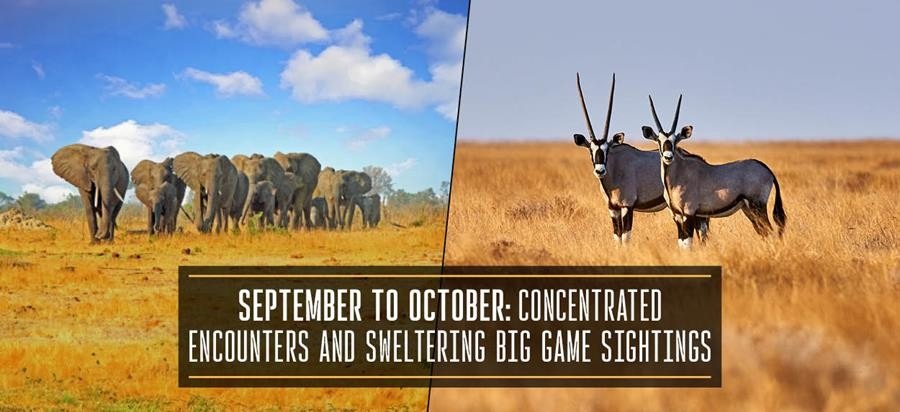
Amplifying the advantages of the dry season, ever-building water scarcity continues to draw wildlife towards permanent waterholes, creating exceptional opportunities for high-intensity game viewing. Although occasional short rain showers arrive, temperatures rise dramatically, making safari drives far more intense both with animals and heat.
With extraordinary wildlife concentrations and landscapes, this is one of the most astonishing times for a safari, though be warned of the intense heat.