I thought I would share this with you:
FED UP WITH THE NEW HEADLINES
Fed up with the Middle East news cycle? Fed up with the UK press making every journey sound like a disaster waiting to happen?
We hear you. And we think it’s time someone told you the truth.
SHE NEARLY DIDN’T GO:
She was sitting at her kitchen table at 11pm, tears in her eyes, about to cancel the safari she’d been saving for since her divorce.
Three years of putting away £100 a month. A promise she’d made to herself the day she signed the papers.
“I’m going to Kenya. For me.”
And then she saw the headlines.
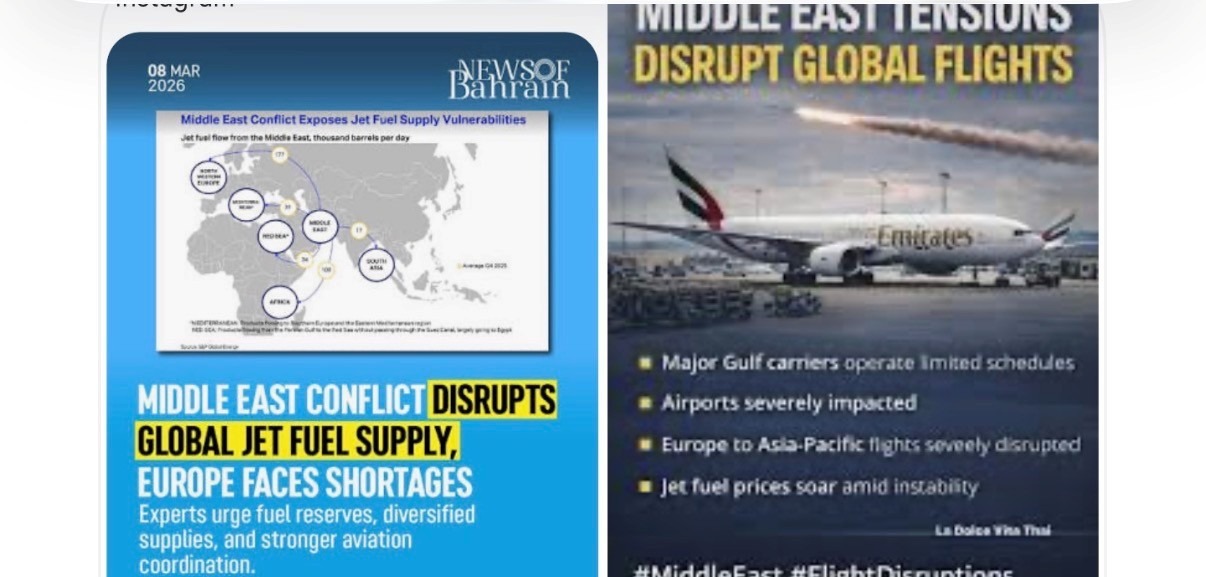
“AIRPORT CHAOS: Hundreds of flights cancelled as travel disruption hits UK and Jet Fuel is likely to run out soon!”
She called me in a panic.
“Should I cancel? I don’t want to lose the money. I don’t want to get stranded. What if—”
I said: “Stop. Take a breath. Let me tell you something nobody ever tells you about long-haul flights.”
And what I told her changed everything.
HERE’S WHAT THE MEDIA NEVER MENTIONS
When a wide-body aircraft departs London for Nairobi — or the Maldives, or Mauritius, or Mumbai — it isn’t just carrying passengers.
In the hold, beneath your feet, there are Kenyan roses being rushed to European flower markets. Pharmaceuticals on a time-critical cold chain. Fresh seafood. Medical equipment. High-value goods for global businesses.
This cargo is worth serious money to airlines. And unlike a passenger who can be put on tomorrow’s flight — some of it has a shelf life of hours, not days.
So when an airline is deciding which flights to protect and which to cancel?
Long-haul routes with commercial cargo commitments are almost always the last to fall.
The flight from London to Malaga on a bank holiday weekend? Vulnerable.
The flight from London to Nairobi carrying 5 tonnes of time-sensitive freight? The airline will move mountains to make it happen.
This is what 30+ years in travel teaches you. This is what the headline writers never bother to explain.
BACK TO MY CLIENT
I walked her through it. I showed her that her specific route, her specific airline, her specific date — were not what the headline was talking about.
I reminded her that her booking was ATOL-protected. That her travel insurance covered her. That I would personally be at the end of a phone if anything happened.
She went.
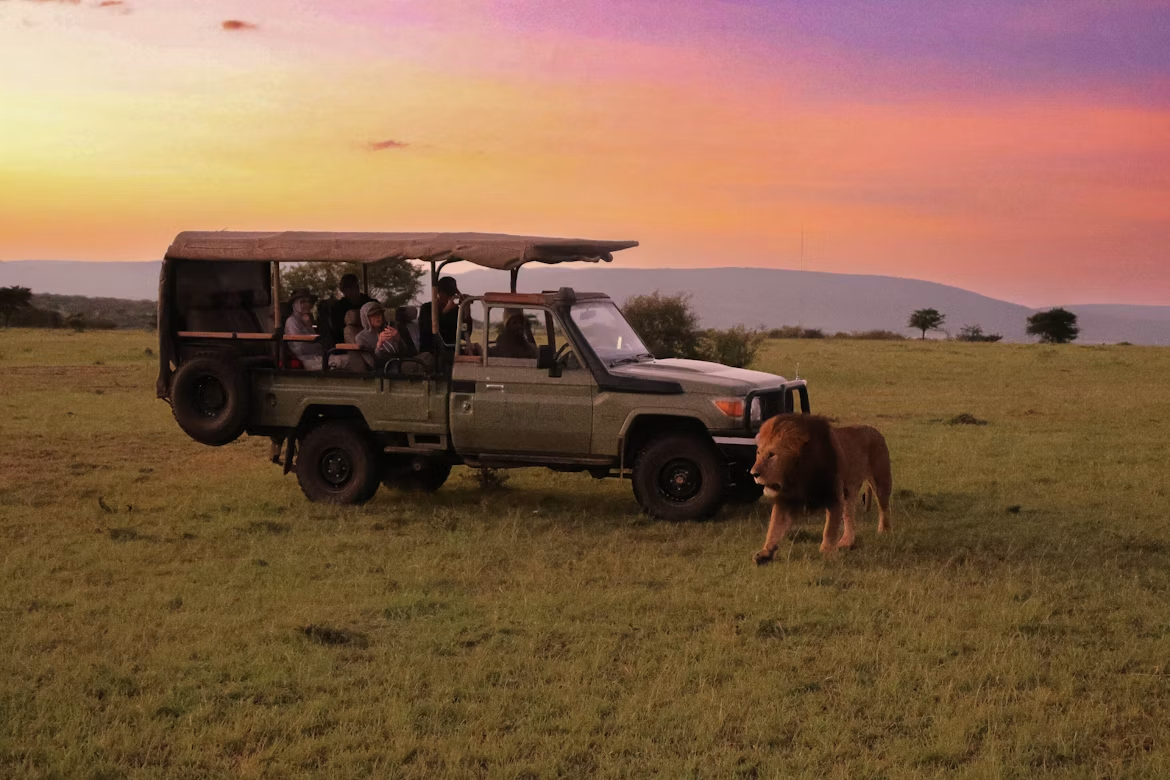
She stood in the Maasai Mara at 6am as a pride of lions crossed thirty feet in front of her Land Cruiser.
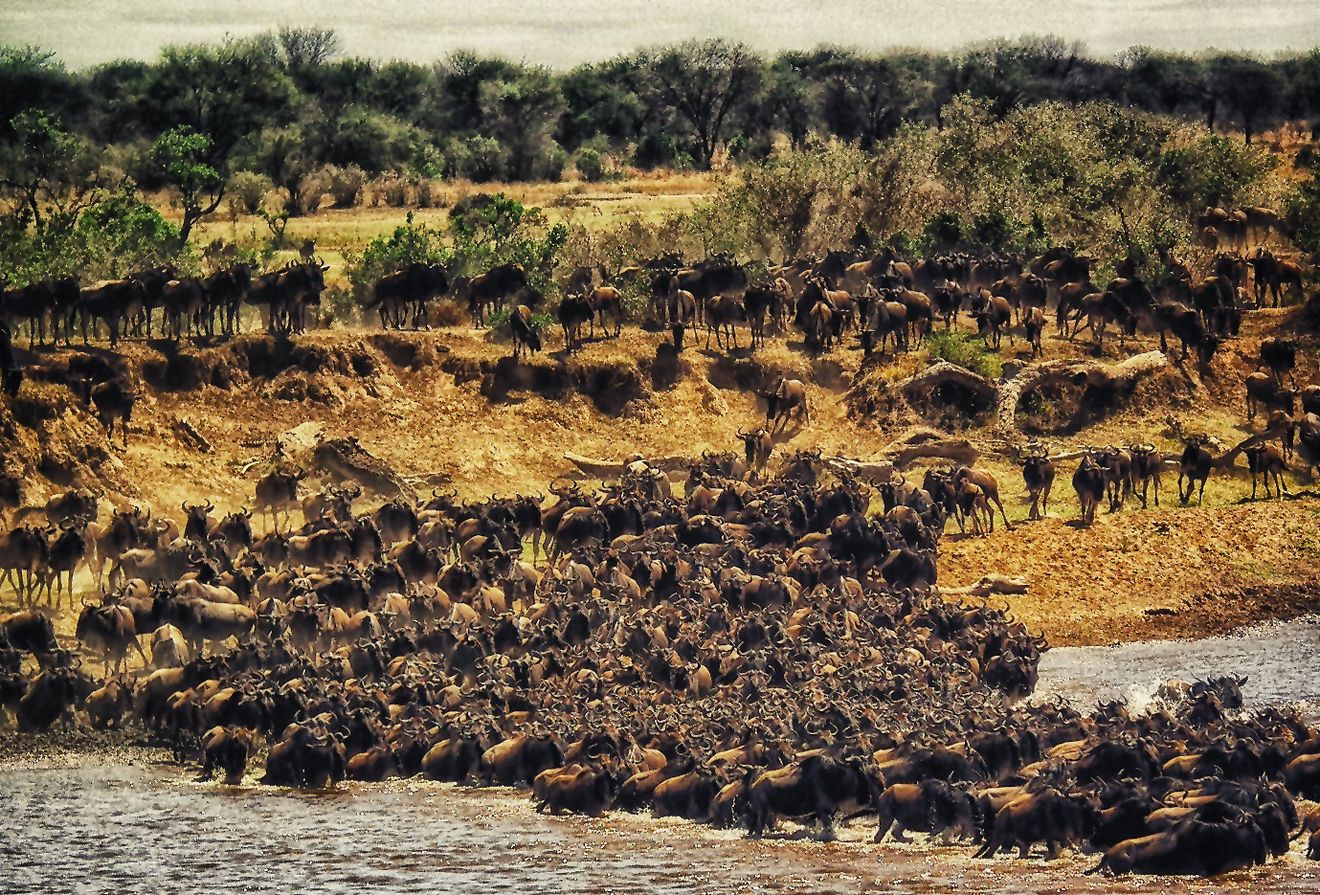
She watched a thousand wildebeest thunder across the Mara River.
She sat outside her tent on the last night, looked up at more stars than she’d ever seen in her life, and typed me a message that I’ve never deleted.
It said:
“I nearly didn’t come. I would have regretted this for the rest of my life. Thank you for not letting me give up on myself.”
THE THING ABOUT TRAVEL AGENTS NOBODY SAYS LOUDLY ENOUGH
We’re not just booking flights and hotels.
We’re the person who knows when the headline is real and when it’s noise.
We’re the people who understand the difference between a short-haul leisure route on a busy bank holiday and a long-haul freight artery that keeps global supply chains alive.
We’re the person who picks up the phone at 11pm when a woman is sitting at her kitchen table about to talk herself out of the best thing she’s ever done for herself.
If a headline has made you nervous about a trip you’ve been dreaming about — please, before you cancel anything, before you lose a deposit, before you let fear win —
Call us first. Let me tell you what’s actually going on.
Because you deserve to go.